

A Coordinate Measuring Machine (CMM) is a long-term investment for manufacturers who depend on accurate dimensional inspection. Unlike consumable production equipment, a CMM is expected to provide stable and repeatable measurement results over many years, often supporting multiple product generations. However, the service life of a CMM is not unlimited. Mechanical wear, electronic aging, environmental conditions, and maintenance practices all influence how long a CMM can remain reliable in daily operation.
Understanding the realistic service life of a CMM helps manufacturers plan maintenance strategies, manage inspection risk, and make informed decisions about upgrades or replacement. This article explains how long a CMM can typically be used, what maintenance practices are essential for extending its lifespan, and why proper lifecycle management is critical for sustaining measurement accuracy.
There is no single, fixed service life that applies to all CMMs. In practice, many machines remain in operation for 15 to 25 years or longer, depending on how they are used and maintained. Some CMMs continue to deliver acceptable performance well beyond their originally expected lifespan, while others require major refurbishment or replacement much earlier.
Several factors influence the effective service life of a CMM:
Rather than viewing service life as a fixed calendar limit, it is more practical to evaluate whether a CMM can still meet current measurement requirements with acceptable accuracy, repeatability, and reliability.
A CMM’s longevity depends heavily on how well it is maintained. Proper maintenance not only reduces unexpected downtime but also preserves measurement accuracy over time. The following practices are particularly important for extending the service life of a CMM.
Routine inspection is the foundation of long-term CMM reliability. Preventive maintenance typically includes checking guideways, air bearings, drive systems, probing components, and cabling for signs of wear, contamination, or misalignment.
Early detection of issues such as unstable air supply, abnormal friction, or probe mounting looseness allows corrective action before serious damage occurs. Preventive maintenance also reduces the risk of sudden failures that could lead to extended downtime or costly repairs.
Manufacturers who follow a structured maintenance schedule often find that their CMMs maintain stable performance for many years beyond initial expectations.
Environmental stability is one of the most critical factors affecting both measurement accuracy and machine longevity. CMMs are highly sensitive to temperature variation, which can cause structural expansion, scale errors, and increased mechanical stress.
Maintaining a controlled temperature environment helps reduce long-term mechanical fatigue and preserves calibration stability. In addition to temperature control, vibration isolation and air cleanliness are equally important. Dust, oil mist, and airborne contaminants can damage guideways and air bearings over time.
By controlling environmental conditions, manufacturers not only improve measurement repeatability but also significantly extend the usable life of their CMMs.
Calibration plays a key role in maintaining confidence in measurement results throughout a CMM’s service life. Regular calibration verifies that the machine’s measurement performance remains within specified accuracy limits.
Over time, mechanical wear and electronic drift can gradually influence measurement results. Calibration helps identify these changes early, allowing for adjustment or compensation before accuracy degrades beyond acceptable levels.
While calibration does not prevent mechanical aging, it is essential for managing measurement risk and ensuring that an aging CMM continues to deliver reliable inspection data.
Many CMMs can significantly extend their service life through modernization rather than full replacement. Common upgrade options include controller replacement, software updates, probe system upgrades, and the integration of non-contact sensors.
Modern controllers and software improve usability, data processing speed, and compatibility with current CAD systems. In some cases, these upgrades enable older machines to meet inspection requirements that were not anticipated at the time of original installation.
Modernization is often a cost-effective approach that allows manufacturers to extend the functional service life of a CMM while preserving existing mechanical assets.
When evaluating the service life of a CMM, it is important to consider more than just the age of the machine. A well-maintained CMM operating in a controlled environment may continue to deliver reliable results for decades, while a poorly maintained machine may become unreliable much sooner.
In practical terms, the effective end of a CMM’s service life occurs when measurement accuracy no longer meets current requirements, maintenance costs become excessive, replacement parts or technical support are no longer available, or operational efficiency falls behind modern inspection needs.
By understanding these factors and implementing appropriate maintenance, calibration, and upgrade strategies, manufacturers can maximize the value of their CMM investment. Proactive lifecycle management ensures that the CMM remains a dependable inspection tool, supporting consistent product quality and confident measurement decisions throughout its usable life.
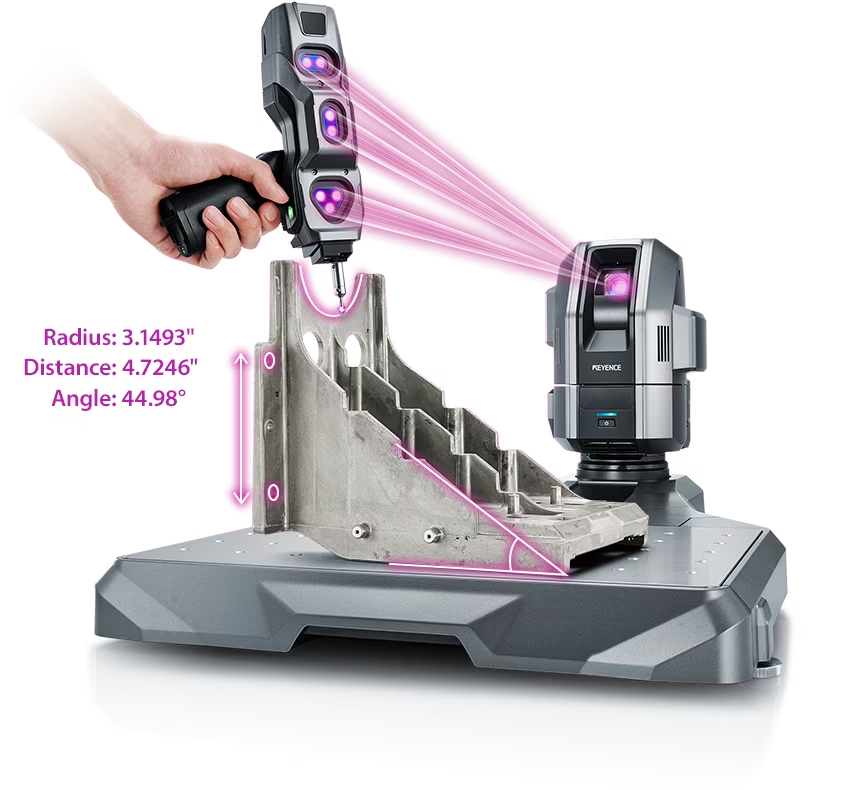
Source: KEYENCE Website(https://www.keyence.com/products/measure-sys/cmm/xm/index_pr.jsp)
This CMM has a caliper-like feel, enabling even beginners to perform high-precision measurements. It can be carried without the need for temperature control, allowing for immediate measurements at any desired location and time. As it doesn't require a large installation space, it's a CMM with a low entry barrier.
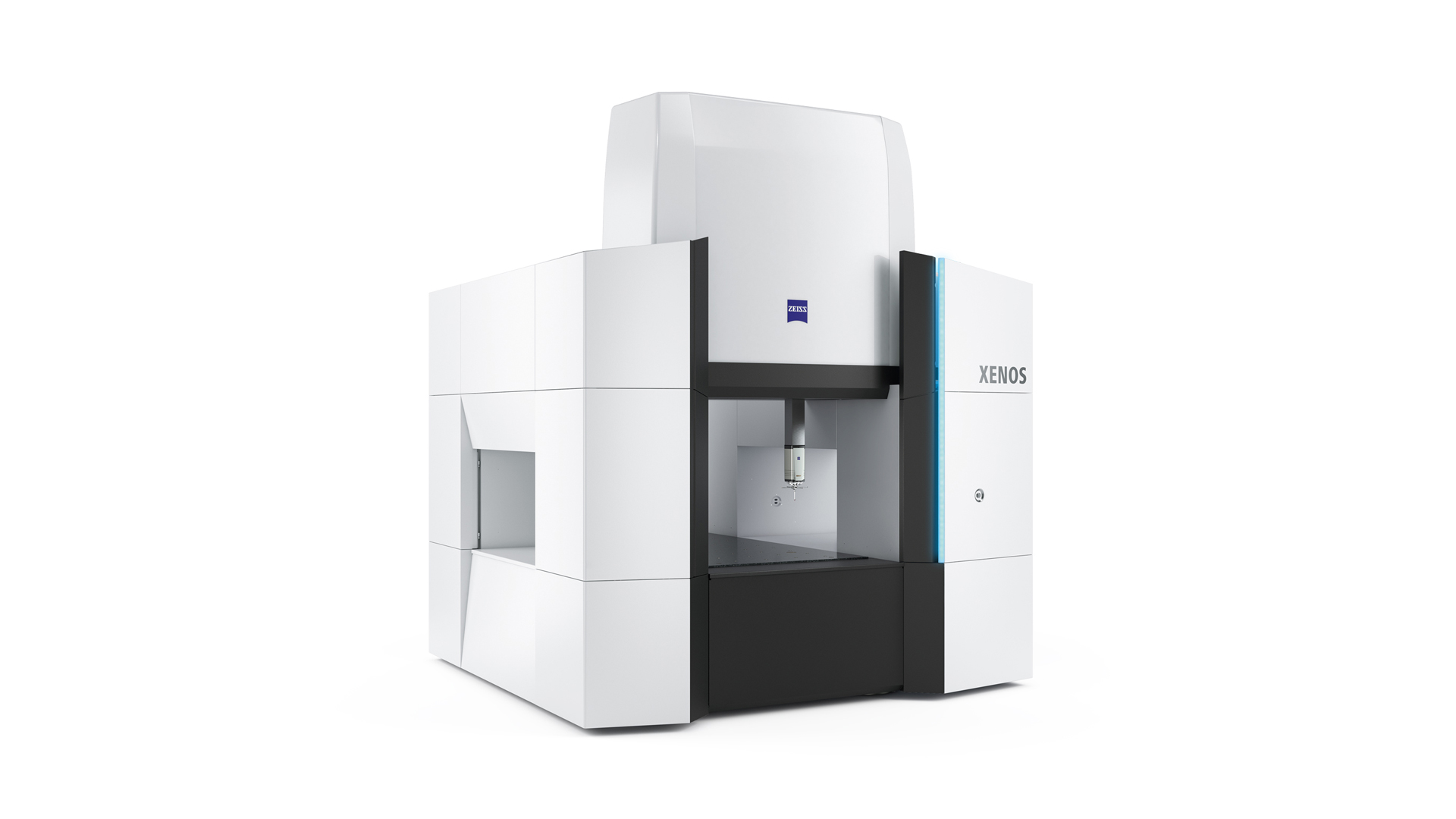
Source: Carl Zeiss Website(https://www.zeiss.com/metrology/products/systems/cmm.html)
Utilizing linear drive on all axes, this CMM boasts high precision with a maximum permissible length measurement error of 0.3+L/1000μm, repeatability of ±0.2μm, and resolution of 0.001μm. The reduced occurrence of errors allows for a decrease in the need for remeasurement.
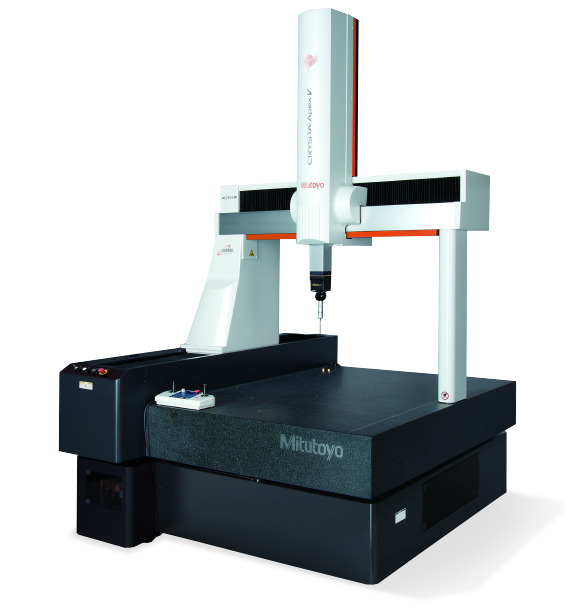
Source: Mitutoyo Website(https://www.mitutoyo.com/products/coordinate-measuring-machines/)
A CNC CMM that was first developed in 1976.
It features applications that respond to the demand for "Smart Factories" by allowing monitoring of operational status and maintenance management of the machine through the network.
Reasons for Selection