

In coordinate measuring machine (CMM) inspection, measurement accuracy depends not only on the performance of the machine itself, but also on how well it is maintained and verified over time. Even a high-precision CMM can produce unreliable results if its measurement system is not properly calibrated.
Environmental changes, mechanical wear, probe usage, and software updates can all influence measurement behavior. For this reason, CMM calibration plays a critical role in ensuring consistent, repeatable, and traceable measurement results in manufacturing and quality control environments.
This article explains what CMM calibration is, why it is necessary, and when it should be performed. It also clarifies the difference between calibration and verification and outlines practical considerations for maintaining reliable CMM measurement performance.
CMM calibration refers to the process of adjusting and verifying the measurement system of a coordinate measuring machine so that it performs according to defined accuracy specifications. Calibration ensures that the relationship between the machine’s physical movements and its reported measurement values remains correct.
Unlike routine measurement tasks, calibration focuses on the measurement system itself, rather than on individual workpieces. It establishes confidence that the CMM is capable of producing accurate results under normal operating conditions.
The primary purpose of CMM calibration is to ensure measurement reliability. Specifically, calibration aims to:
Calibration is particularly important in environments where tight tolerances are specified or where measurement results directly influence product acceptance decisions.
CMM calibration involves checking and, when necessary, adjusting multiple elements of the measurement system. Typical calibration activities include:
These activities ensure that both mechanical and digital aspects of the CMM operate as intended.
Calibration should be performed at appropriate intervals based on usage conditions and quality requirements. Common timing guidelines include:
Establishing a regular calibration schedule helps prevent measurement errors before they affect production or inspection outcomes.
In CMM-related discussions, the terms calibration and verification are sometimes used interchangeably. However, they refer to different activities with distinct purposes.
Calibration focuses on adjusting and characterizing the measurement system. It may include identifying systematic errors, applying compensation data, and adjusting machine parameters. Calibration is typically performed by trained service personnel or accredited providers.
Verification evaluates whether the CMM meets specified performance criteria without adjusting the system. It usually involves measuring reference artifacts and documenting results for quality records.
From a practical standpoint, calibration establishes the foundation for all subsequent measurements. Even advanced inspection strategies cannot compensate for an improperly calibrated machine.
Before relying on CMM measurement results, users should ensure that calibration status is current, probe systems are properly qualified, and compensation data is correctly applied.
CMM calibration should be integrated into a broader measurement quality control strategy that includes environmental monitoring, routine performance checks, standardized procedures, and proper documentation. When calibration is treated as an ongoing process, it supports long-term measurement stability and confidence.
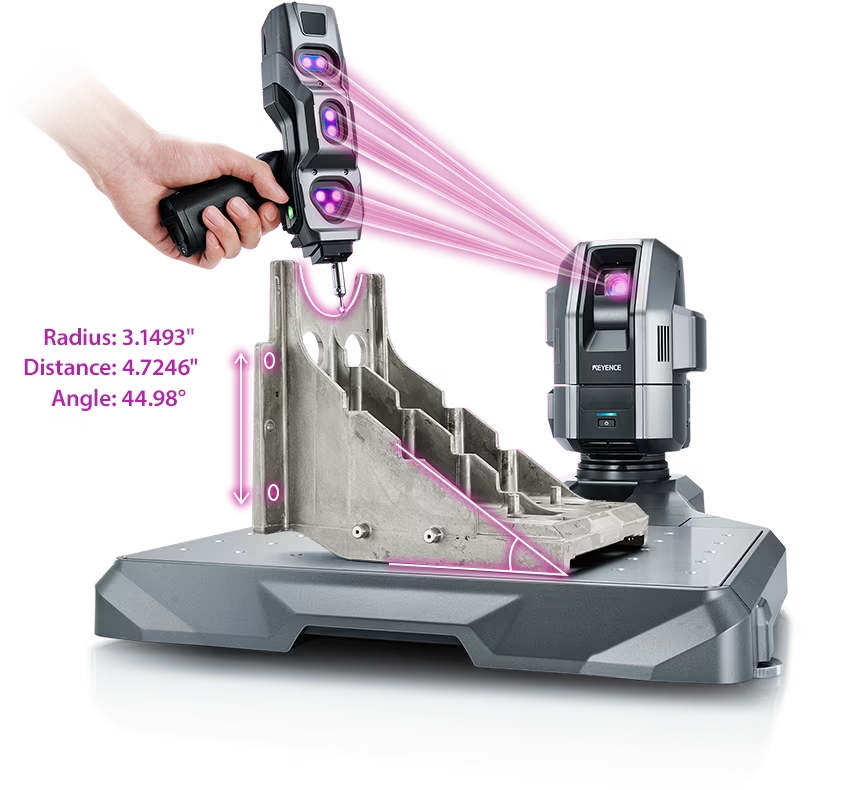
Source: KEYENCE Website(https://www.keyence.com/products/measure-sys/cmm/xm/index_pr.jsp)
This CMM has a caliper-like feel, enabling even beginners to perform high-precision measurements. It can be carried without the need for temperature control, allowing for immediate measurements at any desired location and time. As it doesn't require a large installation space, it's a CMM with a low entry barrier.
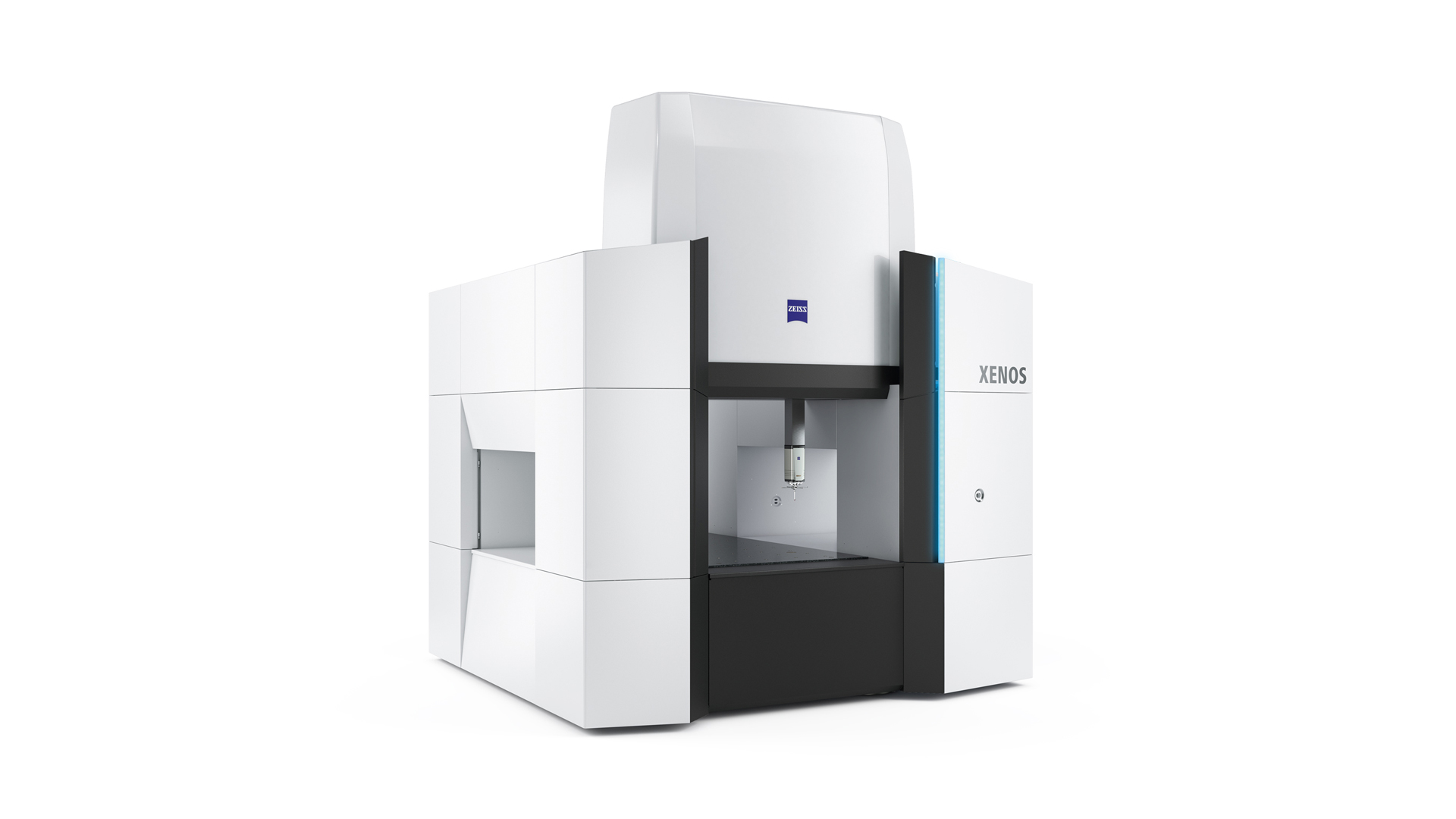
Source: Carl Zeiss Website(https://www.zeiss.com/metrology/products/systems/cmm.html)
Utilizing linear drive on all axes, this CMM boasts high precision with a maximum permissible length measurement error of 0.3+L/1000μm, repeatability of ±0.2μm, and resolution of 0.001μm. The reduced occurrence of errors allows for a decrease in the need for remeasurement.
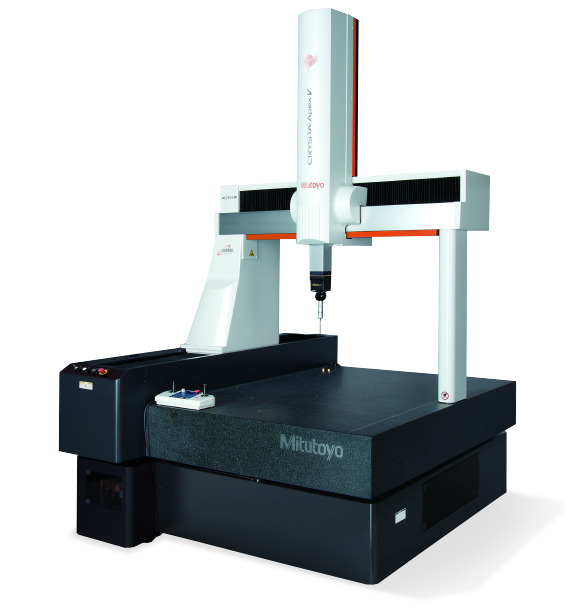
Source: Mitutoyo Website(https://www.mitutoyo.com/products/coordinate-measuring-machines/)
A CNC CMM that was first developed in 1976.
It features applications that respond to the demand for "Smart Factories" by allowing monitoring of operational status and maintenance management of the machine through the network.
Reasons for Selection